DESIGN THAT REDUCES
THE CARBON FOOTPRINT
The resistance of a fabric is measured by the height of a water column in mm that can be supported by the fabric (test based on the JIS 1092 standard). The higher the water pressure, the more waterproof the fabric. We have improved this product with an eco-design approach. During the design phase, we optimised the placement of the different parts of the jacket in the roll of material (minimal waste) in order to reduce offcuts.
OUR COMMITMENT TO CONSUME LESS WATER WITH THIS PRODUCT
Textile dyeing requires a lot of water but also produces waste water from the dye baths. To reduce our environmental impact, we use a mass pigmentation process that involves adding the colour pigments when the yarn itself is produced.
WATERPROOF FEATURE OF THE COMPONENT
This garment has been subjected to a shower test using 60 litres of water/sqm/hour for 2 hours. This test reproduces the average conditions of a rain shower in the mountains.
A waterproof rating of 5 000 mm means the fabric can withstand pressure exerted by 5 000 mm of water (the equivalent of a rain shower lasting for two hours).
Waterproofing is expressed in schmerbers (for example: 5 000 schmerbers).
COMPONENT BREATHABILITY
Component breathability is measured by its thermal evaporative resistance (RET).
This is its capacity to let water vapour generated by the body during physical activity escape and therefore avoid water accumulating on the skin.
The lower the RET, the more breathable the fabric.
RET ≤ 6: very breathable fabric
RET ≤ 12: breathable fabric
RET ≤ 20: little breathability
Our product has a 12 RET rating
COMPONENT’S WATERPROOF FEATURE
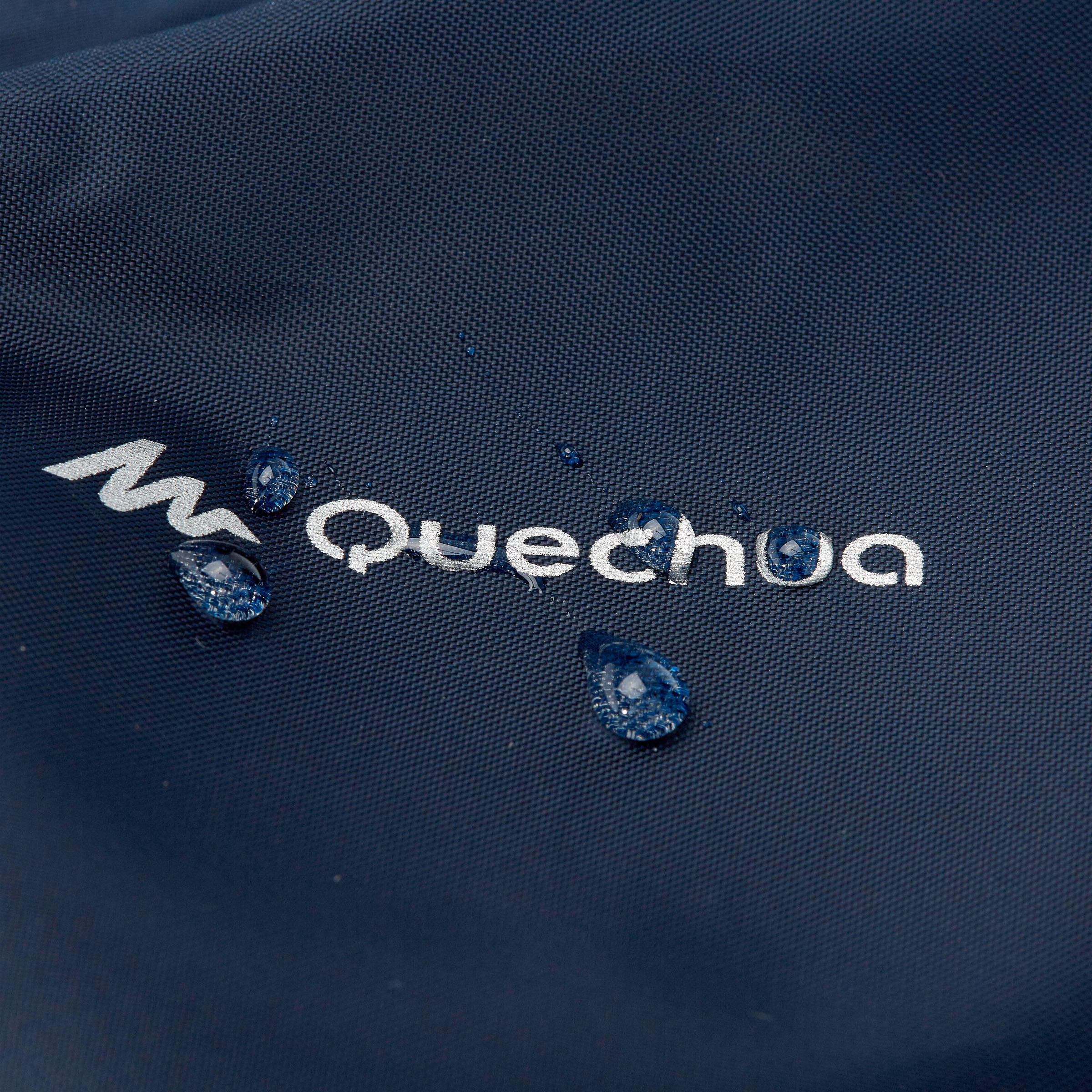
A fabric is water repellent when it allows water slide over its surface without seeping in. This prevents the fabric from soaking up water and keeps it lightweight, warm and breathable. The water repellent property is achieved by treating the fabric's exterior. This treatment must be renewed throughout the garment's lifetime (with every or 3 washes).
TECHNICAL DETAILS
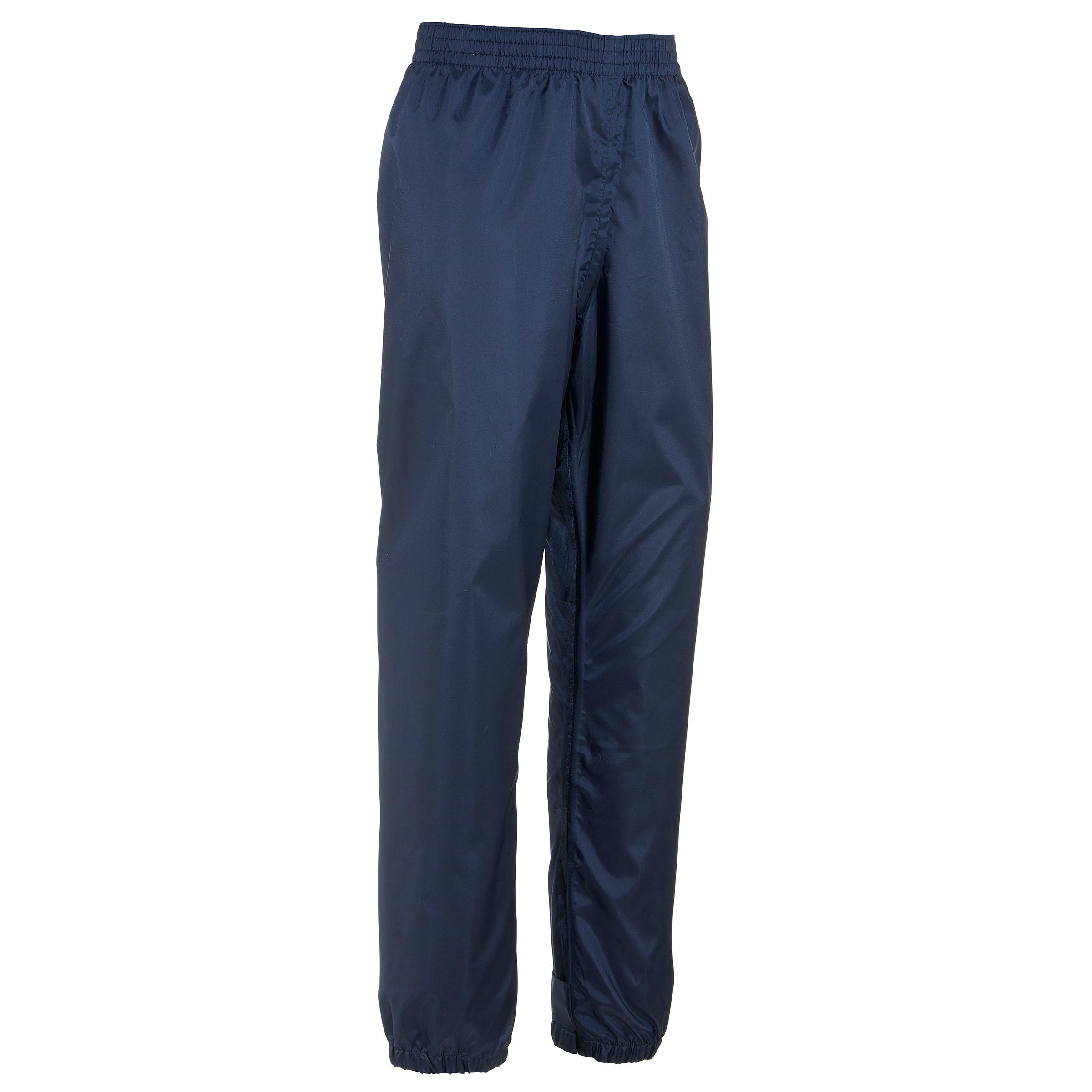
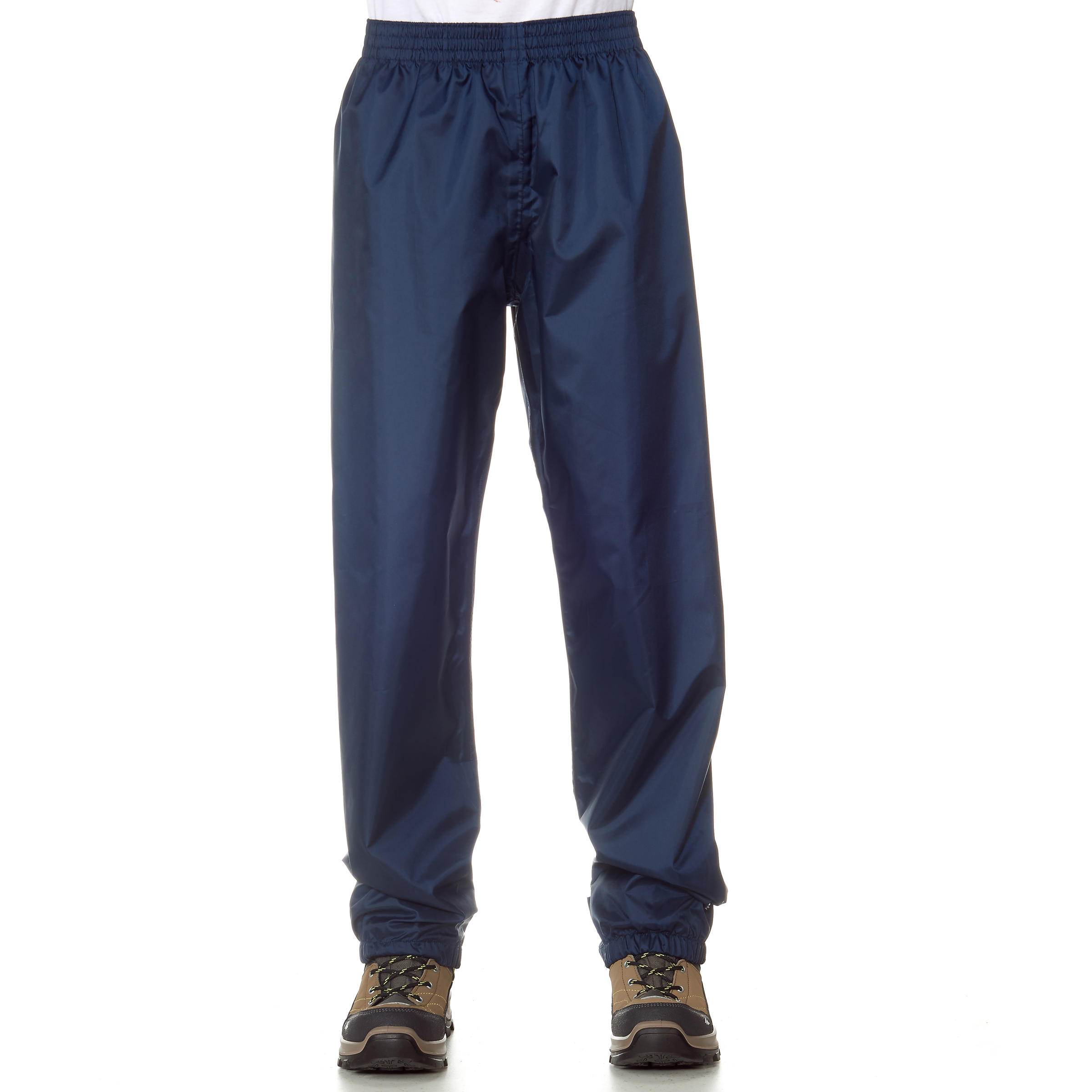
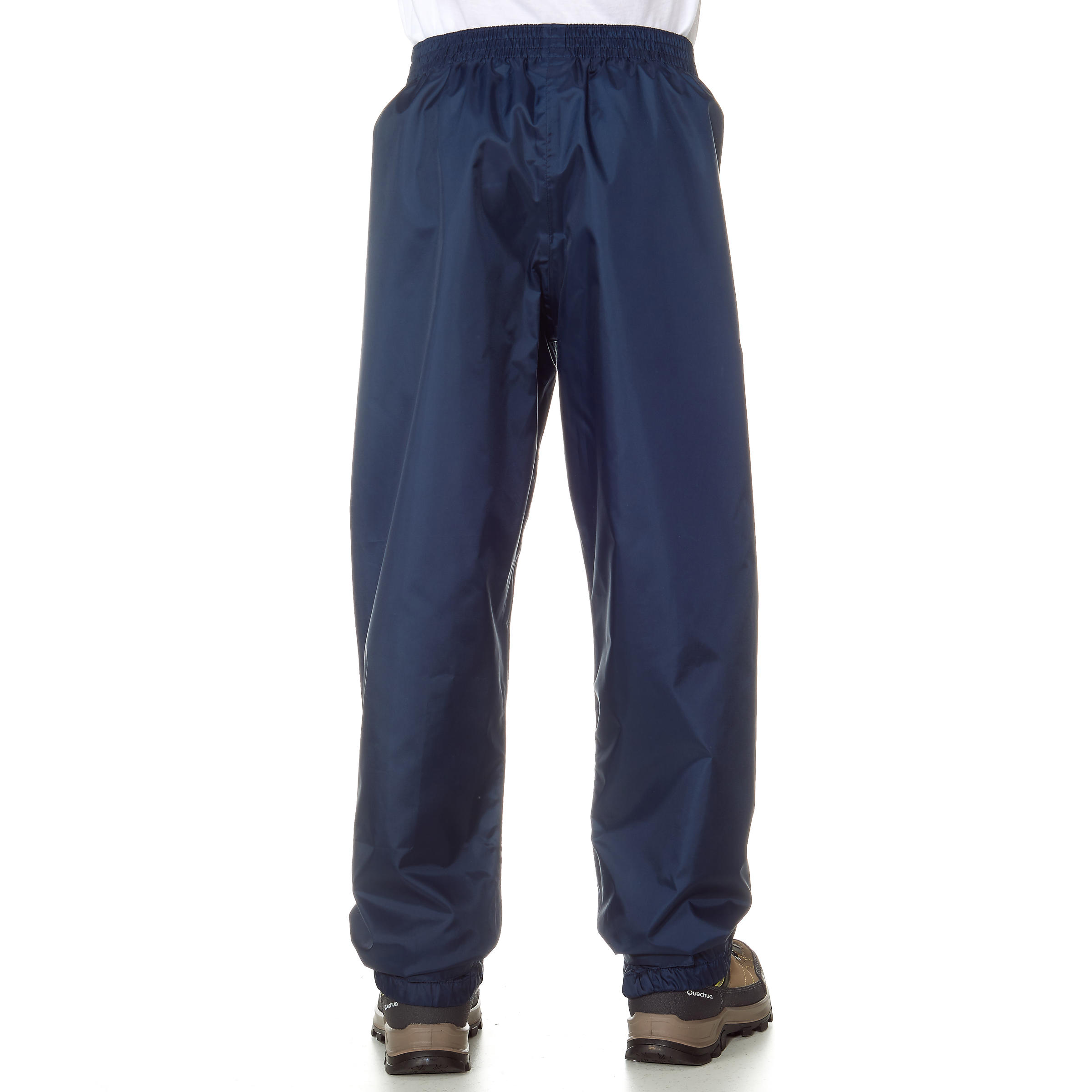
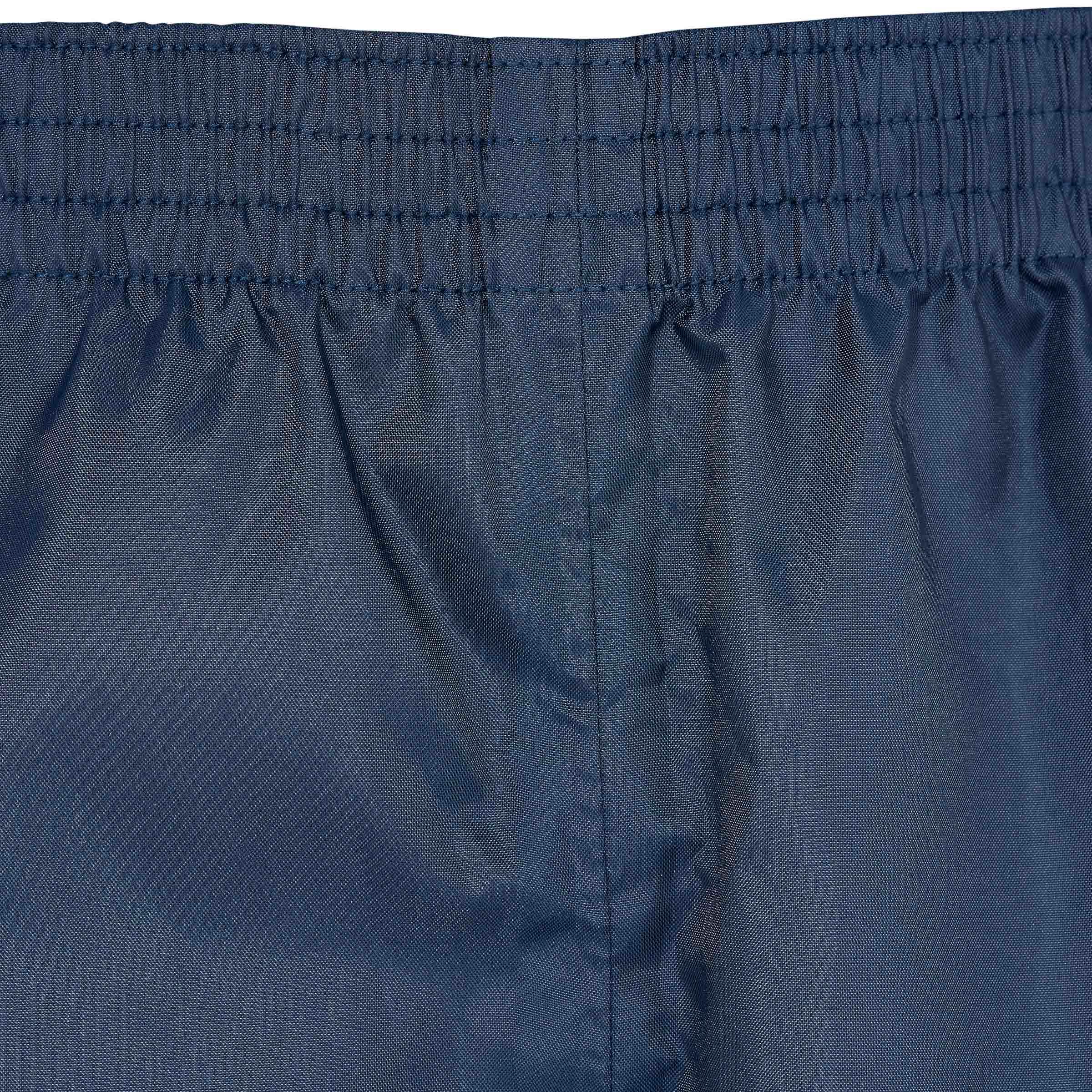
Elasticated waist
WHERE DO OUR TROUSERS COME FROM?
Created in our international design centre at the foot of Mont Blanc in France, these trousers are then manufactured and assembled by our suppliers in Vietnam and Bangladesh.
These are partners that have genuine expertise in making our trousers and with whom we are in close collaboration.
Thanks to this relationship of trust with our industrial partners, we can create high-quality technical products.
Working conditions in our production workshops
We guarantee that our suppliers comply with our code of conduct. These suppliers are often located in developing countries where our presence helps to create jobs.
By conducting audits and having teams on site, we make sure that the working environment of the employees meets certain quality standards in terms of human respect, personal fulfilment and environmental protection.